Naval Overview
The war reaches across the water.
Foxhole's map includes water, and water is not a barrier so much as another battlefield. Sea lanes are supply lines, coasts are vulnerable, and naval play opens routes and threats the land war cannot.
What this page teaches
- Why water matters in Foxhole
- Sea lanes as supply lines
- The threats naval play creates
- How naval fits the wider war
Why water matters
Large stretches of the Foxhole map are water. Rather than dividing the war into separate theatres, water connects them — for whoever controls it.
Ignoring the naval dimension means leaving coasts and sea routes unguarded.
Sea lanes are supply lines
Ships can move large quantities of supply across water faster than any land detour. A controlled sea lane is a logistics artery; a contested one is a vulnerability.
Naval logistics can supply coastal regions that are awkward to reach overland.
Threats naval play creates
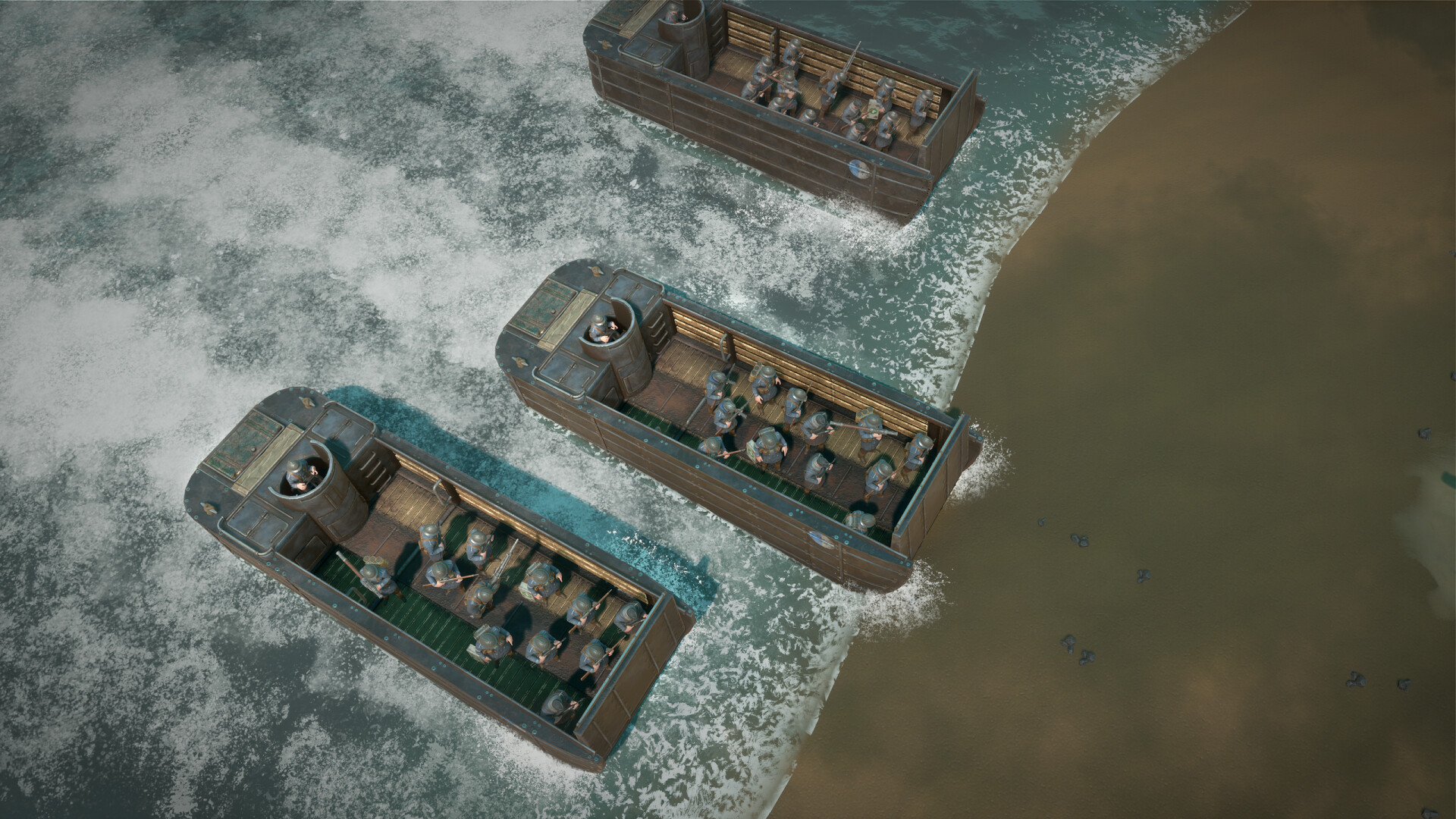
Naval forces can raid coastlines, threaten coastal bases, and support or oppose landings. A coast that feels safe can become a front the moment the enemy commits ships.
Coastal regions need to account for the sea, not just the land.
How naval fits the war
Naval is a supporting dimension: it enables logistics, landings, and coastal pressure that shape the land war rather than replacing it.
Even players who never crew a ship should understand that the coast is a real axis.
Getting started with naval
Naval play is crew-intensive and benefits from coordination. Start by helping with naval logistics before moving to combat ships.
As with everything in Foxhole, learn the supporting roles first.
Related systems
Continue with Naval Logistics, Landing Operations, and Large Ships.
Assuming a coastal region is safe because the land front is quiet. The sea is its own approach.
Treat the coastline of any region you defend as a real frontier. Watch the water the way you watch the roads.