Naval Logistics
Supply that travels by sea.
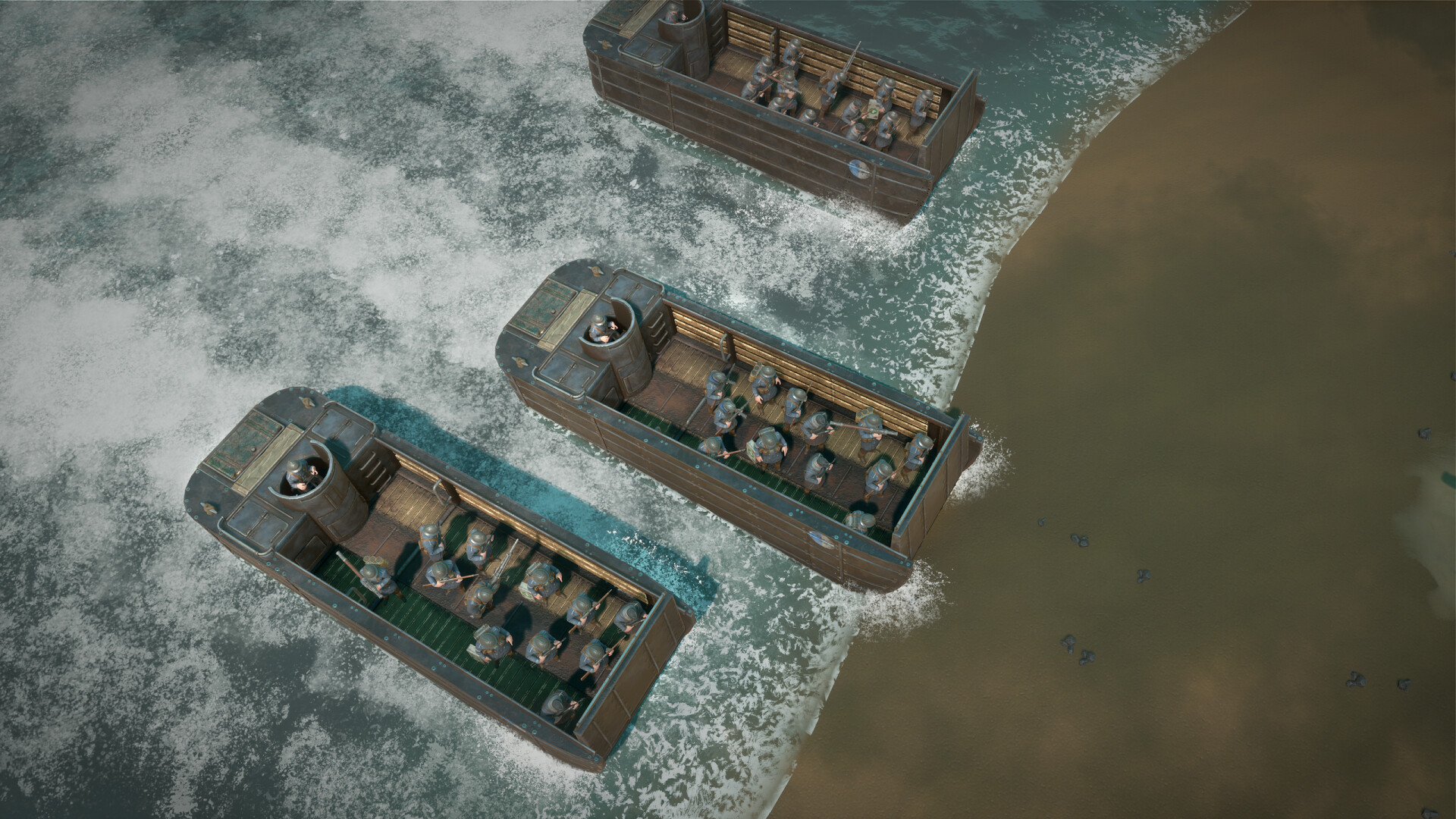
Naval logistics moves supply across water. It can sustain coastal regions, open routes the land map cannot, and shorten long detours — as long as the sea lane is protected.
What this page teaches
- What naval logistics moves
- Supplying coastal regions
- Protecting sea lanes
- Coordinating sea and land logistics
What naval logistics is
Naval logistics uses ships and watercraft to carry crates, containers, materials, and equipment across water to where they are needed.
It is the sea-going branch of the same supply chain that trucks and trains serve on land.
Supplying coastal regions
Some regions are far easier to reach by sea than by a long overland route. Naval logistics can keep coastal fronts supplied that would otherwise be starved.
For those regions, the sea route is the main artery.
Protecting sea lanes
A supply ship is a rich target. Sea lanes need to be watched and, where contested, escorted, or the cargo and the ship are both lost.
- Scout routes before sending valuable cargo
- Escort shipments through contested water
- Avoid predictable timing on dangerous lanes
- Coordinate so ships are met and unloaded promptly
Coordinating sea and land
Naval logistics rarely delivers all the way to the front. Cargo is typically landed at a port and handed to trucks or trains for the final legs.
Plan the whole route, including the handoff, before loading a ship.
When to use naval logistics
Use the sea when it is faster or safer than land, or when a region depends on it. Do not send a ship on a contested lane without protection or a plan.
A lost supply ship is a heavy loss.
Related systems
Naval logistics connects to the Naval Overview, Shipping and Containers, and Public Stockpiles.
Sending a loaded supply ship down a contested sea lane with no escort and no plan to unload it.
Plan the full route end to end, including the port handoff to trucks. The sea leg is only part of the journey.